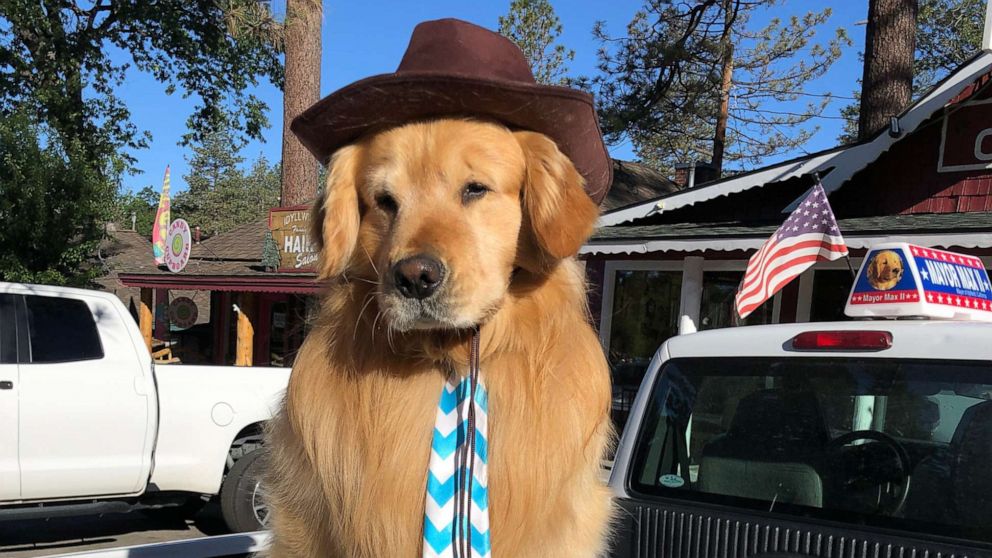
 In the realm of political oddities, few stories captivate quite like the phenomenon of dogs elected to mayoral office. At first glance, it sounds like satire — a combination of human whimsy and canine charm. Yet in several communities, primarily in the United States, dogs have truly been elected mayor, leaving paw prints on local culture, community spirit, and even civic identity.
This article explores not just one instance but the broader trend — from small towns electing animals as symbolic leaders to how these canine mayors became beloved community ambassadors. It’s a story of community, humor, civic engagement, and the unique ways people choose to represent themselves — sometimes with a wagging tail.
Origins of the Tradition: From Symbol to Mayor
Elections featuring animals usually arise in communities without formal governmental structures — unincorporated areas where the title “mayor” is honorary, not political. In such places, voting for an animal mayor is made not to govern public policy but to build community spirit and sometimes raise funds for local causes.
One of the earliest and most famous examples of a dog mayor comes from Idyllwild, California. In 2012, a nonprofit called Animal Rescue Friends (ARF) organized a lighthearted campaign where residents could nominate their pets for an unofficial mayoral election. Anyone living in Idyllwild could nominate their dog or cat, and voting involved a small donation — which raised about $31,000 for the rescue organization. The event combined community fun with philanthropy, and it captured national attention.
Among the nominees, one canine stood out above all others: a golden retriever named Maximus Mighty-Dog Mueller, known affectionately as Mayor Max. Max won with a large share of the vote and became what many consider one of the first modern examples of a true dog mayor.
Mayor Max: California’s First Canine Chief
Though unofficial, Mayor Max’s role quickly became a cultural touchstone in Idyllwild. The town is a scenic mountain community, part of an unincorporated area in Southern California with no human mayor — meaning Max’s position was symbolic yet meaningful.
Max’s duties included attending community events, visiting local schools and businesses, and serving as an ambassador for animal welfare. His presence brought joy to residents and tourists alike. Over his tenure, Max became a beloved figure, representing a unique blend of civic pride and canine companionship.
After Max I passed away from cancer in April 2013, a successor — Maximus Mighty-Dog Mueller II — was chosen to complete the term. The tradition continued, and eventually, Mayor Max III took up the mantle, sustaining the mayoral “dynasty.”
What makes this story remarkable is not political power — Max did not legislate ordinances or pass budgets — but its ability to foster unity, raise funds, and spotlight local identity. Max’s role was a testament to how communities can redefine civic roles beyond bureaucratic formality.
Rabbit Hash, Kentucky: A Canine Institution
Perhaps the most historically persistent dog-mayor tradition occurs in Rabbit Hash, Kentucky, a tiny community on the Ohio River with a population under 200 people. Rabbit Hash has elected dogs as their mayors for decades — a practice rooted in local culture and community fundraising rather than formal government authority.
The tradition began in 1998 with a dog named Goofy Borneman-Calhoun, an adopted mastiff-mix inaugurated as the town’s mayor. Since then, Rabbit Hash has maintained a lineage of canine leaders, each taking the honorary post with style. Over the years, successors have included:
-
Junior Cochran, a black Labrador, who served until his death in 2008.
-
Lucy Lou, a border collie and the first female dog mayor.
-
Brynneth Pawltro, a pit bull whose campaign slogan was “peace, love and understanding.”
-
A series of succeeding dogs like Wilbur Beast and Boone.
These dog mayors became not only local celebrities but fundraisers for community projects. Rabbit Hash’s election cycles often accompany festivals and community events, reinforcing civic engagement in a playful yet effective way.
Unlike Idyllwild, Rabbit Hash’s tradition is older and has become part of the town’s identity — one that attracts visitors and fans of Americana folklore alike.
Other Canine Mayors in America
While Idyllwild and Rabbit Hash are the most renowned examples, other communities have also embraced animal mayors in symbolic roles.
Sunol, California
In 1981, a black Labrador-Rottweiler mix named Bosco Ramos was elected honorary mayor of Sunol, California, defeating human candidates in an election. Bosco served until his death in 1994 and achieved international attention — even being covered by the British press as an odd commentary on electoral systems. Residents emphasized the humorous nature of the role, reinforcing that Bosco’s office was “merely a joke” but one rooted in civic pride.
Fair Haven, Vermont
Another example comes from Fair Haven, Vermont, where a Cavalier King Charles Spaniel named Murfee was elected honorary mayor in 2020 and then re-elected in 2021. Murfee’s term focused on fundraising for community projects like building a playground and later a dog park, showing how a dog mayor can drive local initiatives beyond mere novelty.
Cormorant Village, Minnesota
In 2024, Khaleesi Sherbrooke, a Great Pyrenees, was inaugurated as honorary mayor of Cormorant Village, Minnesota during a community celebration known as Cormorant Daze. Khaleesi received popular support with over 76% of votes — another example of how small towns use symbolic elections to celebrate community togetherness.
Austin Neighborhood and Beyond
Even outside traditional towns, pet mayor elections occur. In Austin, Texas, a neighborhood on 37th Street elected a dog named Mo Bamba as their mayor through a pet election that involved thousands of ballots, signifying strong local engagement with a playful civic event. While not an official municipal election, it demonstrates how popular pet mayorships influence community participation and enjoyment.
Why Dog Mayors Matter
On the surface, electing a dog mayor seems whimsical, playful, and purely symbolic. But beneath the tail wags and cute photos lie deeper themes about community, identity, and civic life.
1. Civic Engagement Through Whimsy
In places without formal government structures or with low political engagement, dog mayor elections offer a low-stakes way for residents to participate in a collective process. Children, adults, and newcomers can all vote without barriers, fostering inclusion and unity.
2. Community Fundraising and Cause Awareness
Many of these elections have been tied to raising funds — for animal rescue, playgrounds, community parks, and other local projects. Murfee’s fundraising efforts led to playground construction, while Idyllwild’s pet elections supported rescue organizations.
3. Branding and Tourism
For places like Rabbit Hash and Idyllwild, canine mayors have become part of their brand. People travel to meet the mayor, attend elections, and learn local stories — serving as an unorthodox form of tourism and cultural recognition.
4. Social Connection
Dog mayors reinforce social connection within small towns. Rather than dividing residents over partisan debates, the election of a beloved dog brings people together for a shared purpose — celebrating local culture and enjoying lighthearted civic participation.
The Paw-litical Legacy
In a world rife with political tension, the story of dog mayors provides a refreshing reminder that civic life can include joy, inclusivity, and humor. While these mayors — Max, Goofy, Lucy Lou, Murfee, Khaleesi, and Mo Bamba — never wielded legislative power, they wielded something equally important: community affection, shared tradition, and a sense of shared identity.
Their elections challenge traditional notions of political leadership while celebrating the human-animal bond. They remind us that sometimes, leadership is not about policy alone but about uniting people — and that a dog, after all, can be the perfect symbol of unconditional community spirit.
Final Reflections: When the Town Chooses a Tail
The tales of canine mayors may make us smile, but they reflect something profound about human nature and community. In unincorporated towns, small villages, and even neighborhood associations, these elections demonstrate that civic participation need not always be solemn or serious.
Symbols matter.
Joy matters.
Connection matters.
And on election day, when ballots are cast for a furry friend with a wagging tail, what the community is truly voting for is togetherness.
In the hands — and paws — of a dog mayor, small towns found a way to make governance about love, laughter, and the shared joy of being part of something unusual and beautiful.
Whether in Kentucky, California, Minnesota, Vermont, or a street in Texas, one thing is clear:
A dog may never write laws.
But it can lead a town — with loyalty, with warmth, and with a heart that never stops beating for its people.