In the Middle Ages, Europe’s streets were not quiet.
They rang with church bells, market cries, traveling minstrels — and, sometimes, the low, uneasy growl of a chained bear.
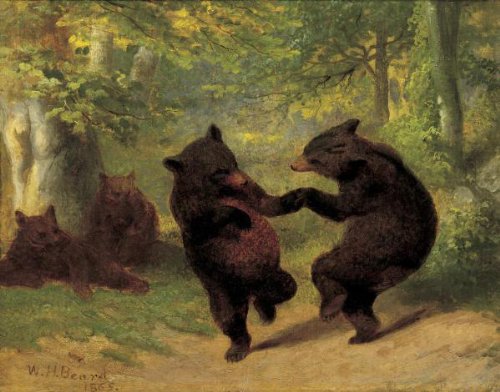
Dancing bears were a common spectacle from the 12th through the 17th centuries. Bear trainers, often itinerant performers from marginalized communities, led massive animals through town squares. The bears stood on hind legs, shuffled awkwardly to drumbeats, and performed tricks for coins.
It was entertainment.
It was commerce.
It was danger.
And in some cities, it was taxed.
Yes — in medieval Europe, there were actual levies imposed on dancing bears and their handlers. Municipal authorities, eager to control public space, protect citizens, and skim revenue from any available source, occasionally created fees or taxes for bear trainers entering the city.
The medieval “dancing bears tax” may sound like a punchline, but it reveals a deeper story about urban regulation, social suspicion, and how authorities monetized spectacle.
The Bear in Medieval Europe
Brown bears once roamed widely across Europe — from the Pyrenees to the Carpathians. By the medieval period, they had already become symbols of both wildness and power.
Bears represented:
-
Strength
-
Chaos
-
Royal authority
-
Pagan wilderness
In Christian symbolism, they were often associated with brutality or untamed instinct. But they were also admired.
And crucially, they were trainable.
Bear-baiting and bear-handling had roots in ancient Rome. By the Middle Ages, traveling entertainers across France, Germany, Italy, and England kept bears as performance animals.
These were not small creatures.
A full-grown European brown bear could weigh over 600 pounds.
And it walked into town on a rope.
The Traveling Bear Trainers
Bear trainers — sometimes called “bearwards” in England — were itinerant performers. Many came from marginalized or nomadic communities. In parts of Europe, Romani groups became associated with bear dancing traditions.
The performance itself was unsettling.
A bear would be chained by the nose or neck.
Music would play — drums or fiddles.
The bear would rear and sway.
Modern historians believe much of the “dancing” was the result of cruel training methods — heating metal plates beneath the bear’s paws so it learned to shift weight rhythmically.
To medieval crowds, it was spectacle.
To city officials, it was liability.
Why Tax a Bear?
Medieval towns were tightly controlled environments.
Gates regulated entry.
Guilds regulated trade.
Markets regulated pricing.
Traveling performers fell outside guild systems. They didn’t belong to established urban hierarchies. They made money from crowds without contributing to local taxes — unless forced to.
So municipalities created entry fees, performance permits, and sometimes explicit levies on exotic animals.
A dancing bear was not just entertainment.
It was a taxable asset.
Records of Regulation
In several medieval and early modern municipal archives — particularly in German and French cities — records survive of fees charged to traveling entertainers.
While not always labeled specifically as a “dancing bear tax,” ordinances mention:
-
Fees for animal performances.
-
Charges for bringing large animals into city gates.
-
Permits required for public spectacle.
In 14th- and 15th-century German towns, bear handlers were sometimes required to pay for:
-
Gate entry.
-
Market performance space.
-
Public safety bonds.
The bear was revenue on four legs.
Urban Anxiety
Beyond revenue, there was fear.
A bear, even trained, was dangerous.
Crowded medieval streets were narrow and chaotic. Children ran between carts. Livestock mingled with pedestrians.
If a bear broke free, consequences would be catastrophic.
Some cities restricted performances to specific squares or required handlers to demonstrate control.
Others demanded extra payment for “hazardous animals.”
Taxation doubled as regulation.
The Moral Question
Church authorities occasionally frowned on bear dancing.
Some clergy condemned it as cruelty.
Others objected to pagan associations.
Still others worried about disorderly crowds.
In some cities, performance taxes were framed as moral deterrence.
Make it expensive enough, and perhaps fewer bears would appear.
But the public loved spectacle.
Where crowds gather, coin flows.
And cities followed the coin.
England’s Bearwards
In England, bear-baiting became especially popular in the Tudor era. Though slightly later than the medieval period proper, the roots stretch back earlier.
London maintained designated bear gardens — arenas for baiting bears with dogs.
Handlers were licensed.
The Crown profited.
Entertainment merged with governance.
While this wasn’t exactly a municipal “bear tax,” it reflects the same principle: animal spectacle was economically integrated into urban authority.
A Broader Pattern of Odd Taxes
The dancing bears tax fits into a broader medieval pattern of niche taxation.
Authorities taxed:
-
Windows (later, famously, in England).
-
Salt.
-
Hearths.
-
Beehives.
-
Market stalls.
-
Marriage licenses.
-
Even playing cards in later centuries.
If it generated income, it could be regulated.
A dancing bear was no exception.
Marginalized Communities and Revenue
Bear trainers often belonged to socially marginal groups.
Taxation sometimes functioned as control.
By requiring payment for entry and performance, cities could:
-
Monitor outsiders.
-
Limit movement.
-
Exert authority over itinerant populations.
The bear became an excuse to police mobility.
The Decline of the Dancing Bear
By the 17th and 18th centuries, attitudes began to shift.
Urban centers grew more regulated.
Animal welfare concerns slowly emerged.
Public executions and blood sports gradually declined in favor of theater and controlled performance.
Industrialization also changed entertainment.
Circuses replaced wandering performers.
Zoos replaced spectacle in town squares.
As bear dancing waned, so did the need to tax it.
The Last Bears
In parts of Eastern Europe, dancing bear traditions survived into the 20th century.
Only recently have animal welfare campaigns ended the practice in many regions.
In hindsight, the medieval bear tax feels like a curious footnote.
But at the time, it was practical governance.
What It Reveals About Medieval Cities
The dancing bears tax illustrates several broader truths:
-
Medieval towns were economically pragmatic.
-
Public spectacle was both valued and feared.
-
Authorities monetized risk.
-
Outsiders were regulated through fees.
It also shows that medieval governance was not abstract.
It was tangible.
If a bear walked through the gate, someone paid.
The Symbol of the Bear
The bear itself carried layered meaning.
In pagan Europe, it was sacred.
In Christian symbolism, it was unruly flesh.
In heraldry, it signified strength.
To tax a bear was to domesticate the wild — economically if not physically.
The city imposed order.
Even on claws and teeth.
Final Reflections: Revenue and Roars
The medieval dancing bears tax may sound like parody.
But it reflects a timeless truth:
Governments tax what moves.
In medieval Europe, that included 600-pound carnivores shuffling to drumbeats in cobbled squares.
The bear danced.
The crowd cheered.
The city collected.
And beneath the spectacle lay the machinery of authority — quietly calculating, regulating, and extracting coin from every roar.
In the Middle Ages, even the wild paid rent.